
Cyclone Arnab: TPCODL Activates Comprehensive Disaster Management Plan to Safeguard Power Infrastructure

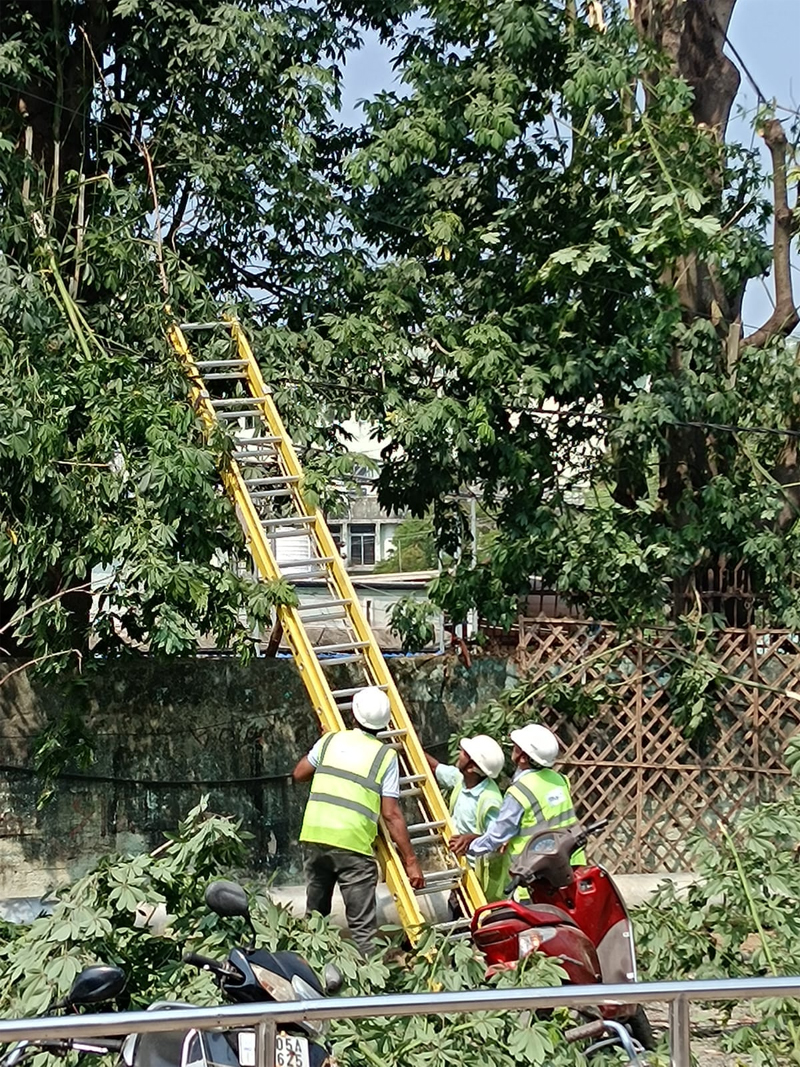
- • 24×7 Central Emergency Control Room activated in Bhubaneswar for real-time SCADA network monitoring and swift restoration.
- • Quick-response field teams, mobile emergency vehicles and skilled manpower placed on high alert across operational circles.
- • Adequate inventory of critical materials, including distribution transformers, poles, conductors, and DG sets, stocked at strategic stores.
- • Continuous power supply prioritized for essential lifelines, including hospitals, healthcare facilities and water pump stations.
- • Round-the-clock emergency assistance and grievance reporting available via toll-free helpline 1912 / 18002027
Bhubaneswar, October: In view of the developing weather system over the Bay of Bengal and potential cyclonic impacts under Cyclone ‘Arnab’, TP Central Odisha Distribution Limited (TPCODL), a joint venture of Tata Power and the Government of Odisha, has enforced a comprehensive preparedness plan to safeguard power distribution infrastructure and minimise supply disruptions across central Odisha.
TPCODL has activated its Business Continuity and Disaster Management Plan (BCDMP), putting in place an organized multi-tiered emergency response framework. Dedicated quick-response field squads, technical maintenance personnel, and breakdown repair vehicles have been stationed across sensitive
coastal and interior circles to handle network eventualities. Top priority has been assigned to maintaining uninterrupted electricity supply to critical services, including district headquarters hospitals, community healthcare centres, major drinking water pump stations, and administrative disaster control offices.
To support rapid restoration, TPCODL has strategically stocked emergency inventory across its operational circles and division stores. The inventory includes distribution and power transformers, bare conductors, aerial-bunched cables, poles, and line hardware. Specialised tree-pruning teams equipped with power saws, high-mast emergency lighting systems, and DG sets have been mobilized to clear obstructed feeder lines and fallen tree branches swiftly.
Round-the-clock monitoring is being led by the Central Emergency Control Room in Bhubaneswar, backed by division and circle-level control centres. Leveraging automated distribution networks and SCADA systems, engineers are tracking feeder loads and line conditions in real time. TPCODL is maintaining close coordination with the Special Relief Commissioner (SRC), district collectors, and local administration to respond immediately to localized disruptions.
Speaking on the preparedness measures, Shri Gajanan Kale, Chief Odisha Distribution Business and CEO, TPCODL, said: “As Cyclone Arnab develops, our utmost priority is consumer and workforce safety alongside the resilience of critical electrical infrastructure. We have placed quick-response teams on standby, ensured adequate stock of essential materials, and activated 24×7 control rooms for real-time grid monitoring. In close coordination with government and district authorities, our teams are prepared to restore power supply safely and swiftly in any affected pocket. We urge consumers to exercise caution around power equipment and follow official advisories during severe weather.”
Consumers can report power disruptions, fallen cables, or electrical hazards through TPCODL’s 24×7 toll-free helpline numbers 1912 and 18002027 or through the company’s dedicated digital service channels.
Public Safety Advisory
• Stay away from fallen, snapped, or dangling electric wires and report them immediately to the 1912 helpline.
• Do not touch electrical poles, transformers, or meter boxes in waterlogged areas.
• Avoid taking shelter under large trees or temporary overhead tin/asbestos sheds during severe gusts and lightning.
• Never operate electrical switches, appliances, or main switches with wet hands or while standing in water.
• Keep children away from flooded streets, open drains, and exposed cabling.
• Follow advisories issued by the state disaster management authorities and local administration.
