
Seven Superhumans in Service: How GARIMA is Redefining Sanitation and Dignity in Cuttack

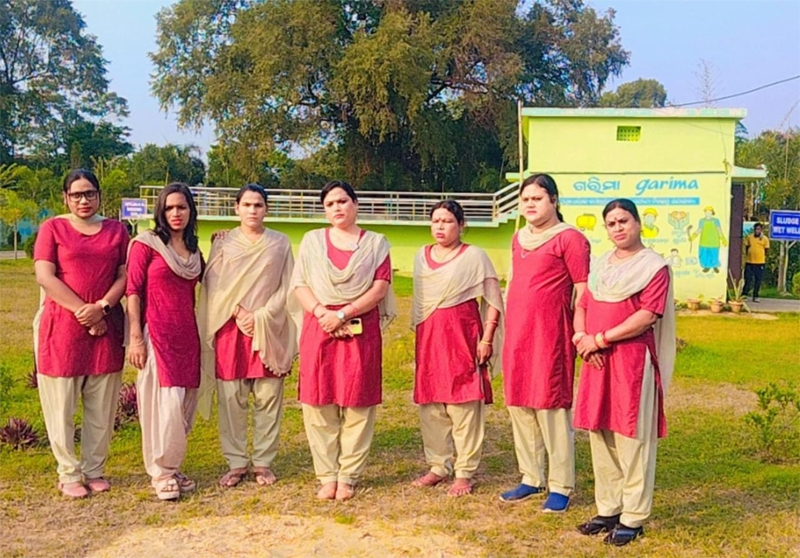
Cuttack | 16/01/2026: Cuttack Municipal Corporation (CMC) is operating its Faecal Sludge Treatment Plant (FSTP) as more than a sanitation facility—it stands as a powerful example of how urban infrastructure can become an instrument of dignity, inclusion and social transformation. Located at Matagajapur, the plant plays a key role in ensuring scientific faecal sludge management and environmental protection, reflecting the State’s commitment to people-centric and inclusive urban governance.
At the heart of this effort lies a compelling human story. The operation and maintenance of the FSTP is being carried out by transgender persons engaged under Odisha’s GARIMA scheme—individuals who once faced stigma, social exclusion and economic hardship. Today, they are respected contributors to an essential urban service, working with confidence, professionalism and pride.
These seven “superhumans”—Susri Seetal Bastia, Secretary of the Self Help Group; Tanushree Behera, President of the Self Help Group; and members Sibane, Pritam Singh, Suman, Tiki, and Ranjan Kumar Sahoo—form the backbone of the plant’s daily operations. Together, they ensure the smooth functioning of a facility that treats faecal sludge collected from across the city, contributing directly to cleaner neighbourhoods and safer urban living.
The FSTP has a treatment capacity of 60 KLD, supported by 13 cesspool vehicles operated by trained drivers and desludgers, enabling regular and reliable desludging services for households and establishments in Cuttack. On an average, several hundred desludging trips are undertaken every month, ensuring safe and scientific treatment of faecal sludge and reducing environmental and public health risks.
Their journey from the margins of society to the mainstream of urban service delivery reflects the transformative power of compassionate and responsive policy. What was once a struggle for survival has today become a life of purpose, contribution and dignity—earning livelihoods, social acceptance and respect.
Recognising that dignity is incomplete without stability, the Government of Odisha will extend housing support to GARIMA workers under the Pradhan Mantri Awas Yojana (Urban) after their enrolment through Sahajog. By enabling access to safe and permanent housing, the State is ensuring that inclusion goes beyond livelihood—towards long-term security, belonging and self-respect.
Through this integrated approach, the Housing and Urban Development Department, Government of Odisha, reaffirms that sanitation is not only about infrastructure—it is about people. By weaving social inclusion, livelihood security and housing into urban service delivery, Odisha is setting an inspiring example of governance that listens, cares and delivers.
