
Tata Steel Foundation’s Arunima 2026 Begins in Balasore with Focus on Climate-Resilient Livelihoods

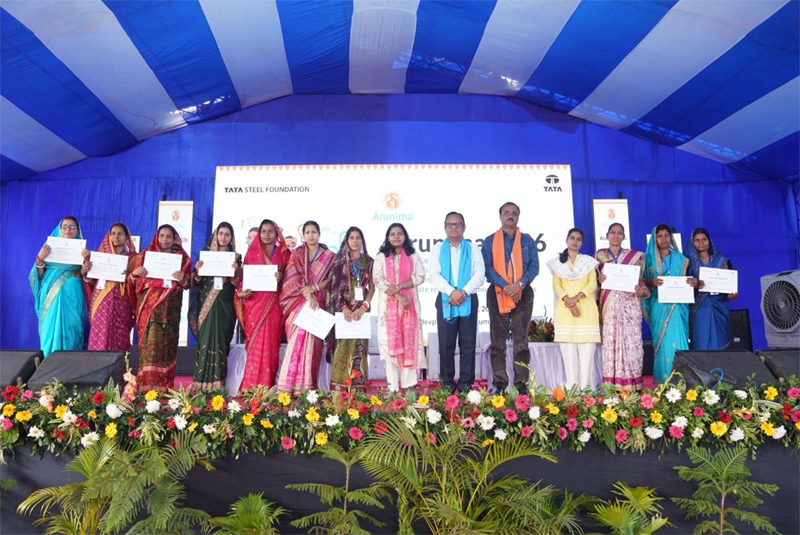
More than 200 women and 200 farmers from nearby villages participate
Baliapal, Odisha | March 11, 2026: Tata Steel Foundation (TSF), along with its partners, commenced the third edition of Arunima, a collaborative platform dedicated to promoting climate-resilient livelihoods, from March 11–12, 2026 at Basudevpur Mini Stadium in Deula, Balasore. The inaugural event brought together farmers, women, youth, experts, and community institutions to exchange knowledge and showcase successful livelihood practices that address the challenges of climate change. This year’s Arunima focuses on strengthening the farmer–scientist interface in climate-resilient agriculture and empowering women through sustainable livelihood enterprises.
Balasore district remains highly vulnerable to recurring climate events such as floods, cyclones, and erratic rainfall, which significantly impact local livelihoods. Through Arunima, Subarnarekha Port Private Limited ( SPPL), Tata Steel Ferro Alloys Plant (FAP), and Tata Steel Foundation, along with community stakeholders, have created a platform to highlight climate-resilient livelihood initiatives and encourage collaborative action for building community resilience. The event was graced by Shailesh Verma, Executive Director, SPPL; Adwaita Patra, Retired Professor, OUAT, Bhubaneswar; Subash Chandra Swain, Head and Professor, Department of Fruit Science and Horticulture Technology, OUAT; Raimat Tudu, Special Land Acquisition Officer, SPPL; Shantanu Banerjee, Deputy CEO, ORMAS, Balasore; Ranjita Patra, Block Agricultural Officer, Baliapal; Rashmi Rekha Bindani, General Manager, Balasore–Bhadrak Milk Union; Swagatika Sahoo, Senior Scientist and Head, Krusi Vigyan Kendra, Balasore; and Lalatendu Das, Block Veterinary Officer, Basta.
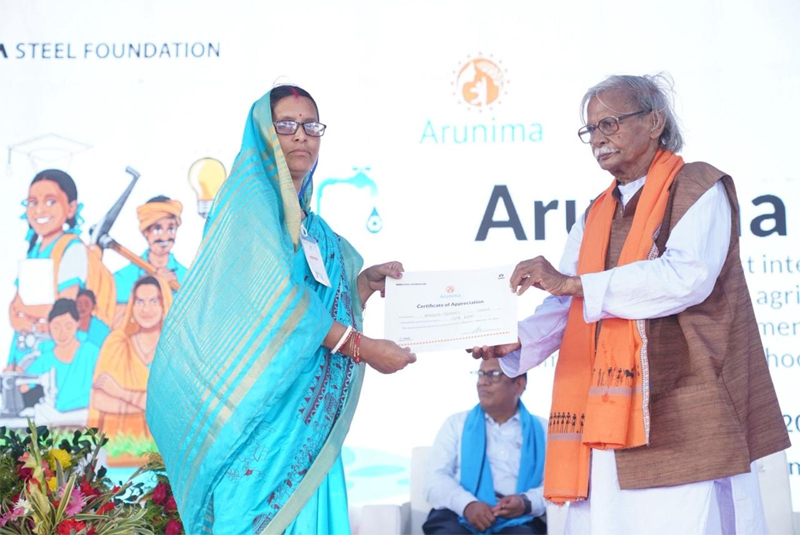
The event began with an Agriculture Meet where around 200 progressive farmers from two operational blocks participated in discussions on climate-resilient agriculture. Experts from OUAT and senior officials interacted with farmers on innovative farming techniques, government schemes, and sustainable agricultural practices. The sessions focused on improving farm income through crop diversification and integrated farming systems, covering cultivation practices for paddy, millets, pulses, and horticultural crops, along with opportunities in fisheries and dairy development. Farmers practicing the System of Rice Intensification (SRI), multiple cropping, vegetable cultivation, dairy farming, and commercial fish farming engaged in interactive discussions aimed at strengthening their resilience to changing climatic conditions. During the event, farmers were also provided with soil health cards to help them better understand and manage their soil.
Speaking on the occasion, Shantanu Banerjee, Deputy CEO, ORMAS, Balasore, said, “It is encouraging to see farmers, women entrepreneurs, experts, and community institutions coming together through Arunima to discuss practical solutions for climate-resilient livelihoods. Interacting with progressive farmers and Self-Help Groups has been a very enriching experience, reflecting the strong commitment of the community to adopting sustainable practices and improving their livelihoods.”
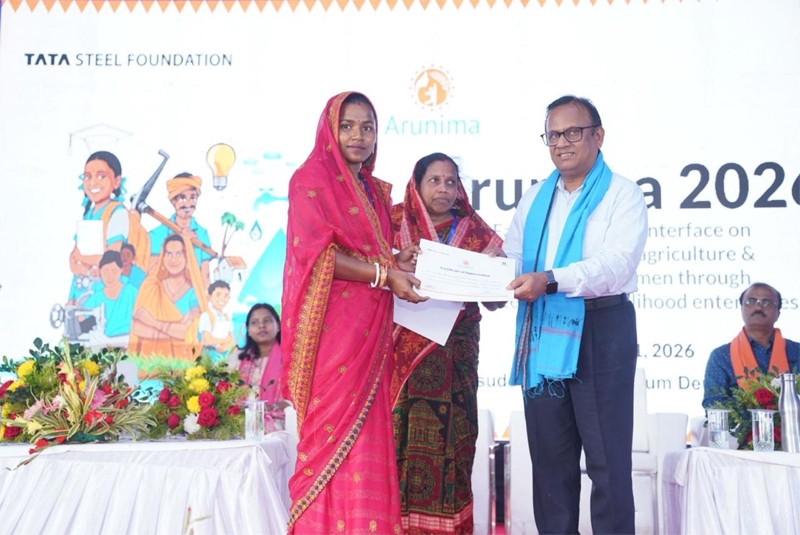
Arunima also highlighted women’s participation in climate-resilient livelihoods, with nearly 200 women from Self-Help Groups attending a workshop on enterprise development. The sessions, facilitated by entrepreneurs and government officials, focused on building awareness around sustainable enterprises and new livelihood opportunities that can enhance household income while responding to climate challenges. As part of the women’s empowerment initiative, six women were felicitated with Best Performer Awards for their achievements in mushroom cultivation, sabai grass handicrafts, appliqué work, and jute craft.
Pramod Kumar Patra, Unit Lead, Tata Steel Foundation, Balasore, said, “Arunima serves as a meaningful platform where communities, experts, and institutions come together to share experiences and promote climate-resilient livelihood practices. Such collective efforts are essential to help farmers and women adapt to climate challenges while improving their economic opportunities.”
The two-day event will continue with further knowledge-sharing sessions, demonstrations, and community engagement activities aimed at strengthening climate-resilient livelihoods across the region.
