
When Lightning Strikes Temples: The Wrath of the Gods or Sheer Human Idiocy

| Anil dhir |
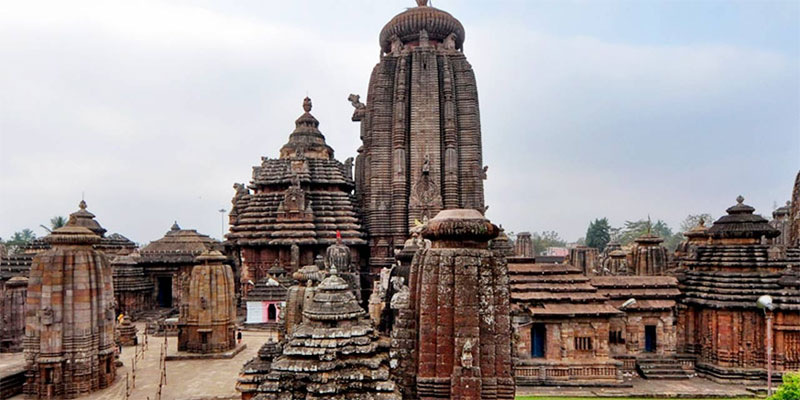
Bhubaneswar 9th Oct : The servitors of the Lingaraj Temple are still in a state of shock. Most of them were either inside the main temple or the smaller subsidiary ones, when the bolt of lightning struck the temple yesterday late afternoon when a severe thunder storm hit the city. The priests who were in the Garbhagriha along with a few devotees recounted how the whole temple shook and the big boom still reverberated in their ears . It had been a very close shave for them, the severe bolt resulted in the burning of the pennant atop the temple and also damaged several electrical systems, including around 40 CCTV cameras. Two years earlier, on the 15th July 2023, at around 10 am, the Lingaraj temple had been struck by lightning twice. In fact on that morning, six temples had been struck and the Rameswar temple was the most affected. The 9th Century temple, built during the early years of the Somavamsi rule, is a marvellous temple of the Kalingan School of Architecture. The temple was already under repairs and an iron scaffolding had been put up on the south face. The strike knocked down the crown, called the Dadhinauti, splitting the rounded carved stone block into smithereens. Several servitors and devotees reportedly sustained minor injuries during the incident. The Archaeological Survey of India (ASI) officials had rushed to the spot replaced the spire with another small dome on the original lines. To mitigate the risks associated with lightning strikes, many Hindu temples have been installed with lightning protection systems. These systems typically include lightning rods or conductive materials installed on the temple spires. This helps to channel the electrical energy of a lightning strike safely into the ground, minimizing the potential damage to the structure and its occupants. Lightning has struck more than 500 temples in the last decade, causing major damage. Even temples with lighting arrestors have seen major damage. It is important to note that lightning is a natural phenomenon and can still occasionally strike tall structures, despite protective measures. The 2020-21 Annual Lightning Report published by the non-profit Climate Resilient Observing Systems Promotion Council (CROPC) recorded a 34% jump in lightning strikes within a year. A later 2014 study by scientists at the University of California, found that lightning strikes in the USA increase by 12% for every degree of rise in the global average air temperature. The CROPC data also said that India is already experiencing an alarming rise in lightning strikes resulting in many deaths. Prafulla Swain, a servitor of the Lingaraj temple is of the opinion that lightning arresters should be affixed on all the temples. With severe climate change occurring in the State, lightning strikes have phenomenally increased. Swain also said that the authorities should ensure that the lightning protection system installed in various temples of the Old Town should be inspected by a qualified lightning protection specialist every two to five years. In 2023, Intach had inspected the temples and written to the Archaeological Survey of India (ASI) to take proper action. Anil Dhir, the Convener of Intach’s Bhubaneswar Chapter is of the opinion that the indiscriminate felling of centuries old trees in the vicinity of the temples during the Ekamrakhestra Beautification Project is to blame. The tress were a natural safety net, many of them would be struck, and the lightning was drawn away from the temples. Presently the area surrounding the Lingaraj temple is bereft of any trees not any tall structure, the temple draws the lightning to its spires due to its sheer height. Dr. Biswajit Mohanty, State Convener of Intach has written to the authorities to undertake immediate plantation of palm, betel and other tall varieties of tree around the temple complex. Intach will conduct a study on the lightning strikes in the recent years and publish a report. Mohanty says that the incidence of these strikes will increase due to climate change. The lightning strike can cause major permanent structural damage to the temples, at times also resulting in their collapse. Most of the temples get cracks and start leaking after such strikes. In 2023, ASI has assured that adequate measures will be taken and more arrestors installed, but it seems that much has not improved.
