
Tata Power’s Southern Odisha DISCOM Takes Solar Awareness to the Last Mile Through Nukkad Natak

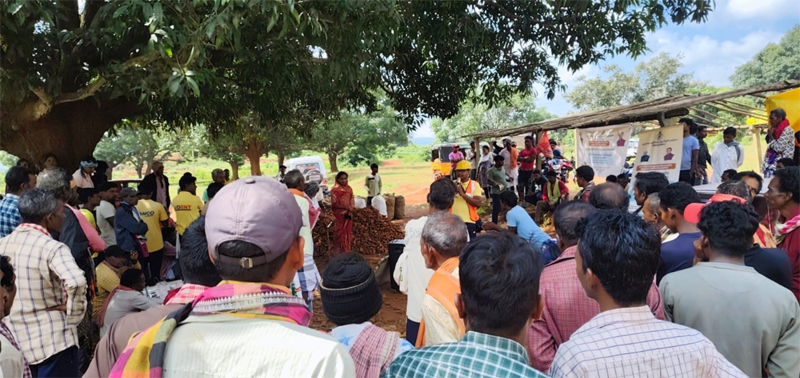
Berhampur, September 2026: Taking the message of rooftop solar beyond conventional communication channels, TP Southern Odisha Distribution Limited (TPSODL), a joint venture between Tata Power and the Government of Odisha, is conducting Nukkad Nataks across its eight-district operational area to create awareness about the Pradhan Mantri Surya Ghar: Muft Bijli Yojana and the Utility-Led Aggregation (ULA) model. The campaign is taking the benefits, eligibility and adoption process of rooftop solar directly to people in Gram Panchayats, villages, tribal pockets, interior locations and urban communities.
The initiative is designed around the strength of street theatre as a powerful last-mile communication medium. Dedicated and trained artists are travelling to communities and performing specially developed plays in Odia and locally understood dialects, using familiar characters, situations, humour, music and dialogue to explain the benefits of rooftop solar in a simple and relatable manner. In locations such as Kundra in Koraput, Patrapur in Ganjam and several other rural and interior areas, the teams are taking the message directly to the community instead of expecting consumers to seek information on their own.
The campaign is being conducted across all eight districts of Southern Odisha—Malkangiri, Koraput, Rayagada, Nabarangpur, Gajapati, Kandhamal, Boudh and Ganjam. A total of 250 Nukkad Nataks are being conducted, covering Gram Panchayats, villages, interior and tribal pockets, as well as urban and semi-urban communities.
The performances are deliberately being organised during evening hours and other leisure periods, when rural communities are more likely to gather after their daily work. The teams mobilise people at village-level locations before the performance, creating an opportunity for the audience not only to watch the play but also to interact with the campaign team. IEC materials are distributed alongside the performances, enabling interested consumers to take the information home and understand the next steps.
TPSODL has earlier used street plays extensively for public safety, animal safety, prevention of unauthorised hooking, electrical safety, energy conservation and other community-awareness initiatives. In 2024, TPSODL’s Nukkad Natak programme had already reached thousands of people through performances across villages in Koraput and Ganjam, demonstrating the potential of the medium for grassroots engagement.
Nukkad Natak creates a live community experience. The audience can see, listen, relate to the characters and immediately clarify their understanding. This is particularly relevant in rural and tribal communities where language, literacy, digital access and geographical distance can sometimes limit the effectiveness of conventional communication.
“Nukkad Natak is not just a communication activity; it is a conversation with the community. When trained artists speak in the language and dialect people understand, using situations they see in their everyday lives, a complex subject becomes simple and relatable. We have seen the effectiveness of this medium in our earlier safety and animal-safety campaigns. Through the performances on PM Surya Ghar and ULA, our objective is to take solar awareness to the last mile and ensure that people in remote and tribal areas are not left behind in the clean-energy transition,” said Mr. Amit Kumar Garg, CEO, TPSODL.
TPSODL’s grassroots communication is being undertaken alongside its wider rooftop-solar efforts. The campaign is part of TPSODL’s wider communication and IEC efforts to accelerate rooftop solar adoption. These include door-to-door awareness, Gram Panchayat and block-level outreach, Solar Rath, stalls, Vikas Melas, stakeholder engagement and consumer facilitation. The impact of sustained communication is particularly visible in Ganjam, which has emerged as the leading district in Odisha in rooftop solar adoption.
Through the Nukkad Nataks, TPSODL aims to turn awareness into conversation, conversation into informed decisions and informed decisions into greater adoption of rooftop solar, taking the clean-energy message from communication platforms to the communities themselves.
